
Introduction:
Artificial intelligence (AI) and data science are transforming our world in significant ways. They have the potential to revolutionize industries, reshape our daily lives, and unlock new avenues for discovery. To effectively harness these technologies, it’s essential to grasp their fundamental concepts, understand their historical context, and navigate the complex landscape they operate in. In this post, we’ll delve into the key principles driving AI and machine learning, trace the evolution of these fields, and explore the immense potential they hold for shaping our future.
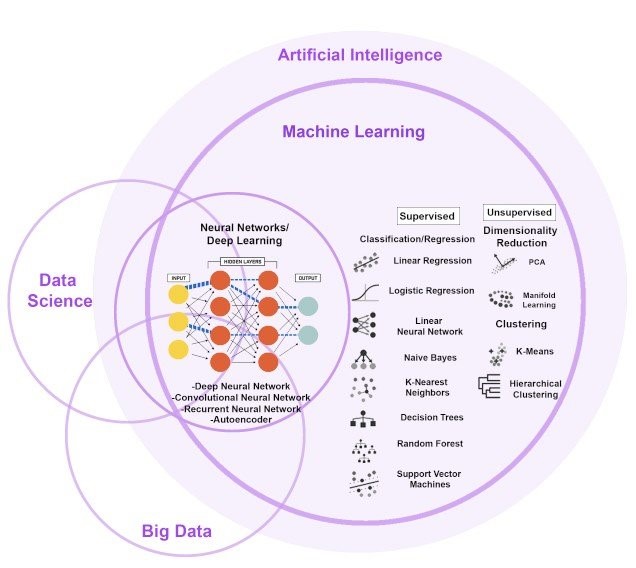
What is AI?
The Heart of AI and Machine Learning: At its core, AI represents a fusion of technology, autonomy, human input, and output. These systems are designed within broader social contexts, emphasizing the importance of understanding both their technical aspects and societal implications. AI systems are engineered to emulate and even surpass human cognitive capabilities by leveraging advanced algorithms to learn from data, make decisions, and perform tasks with minimal human intervention.
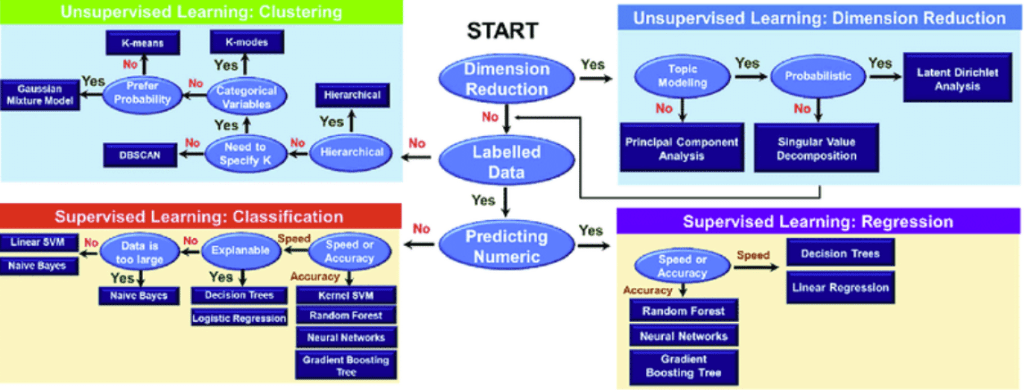
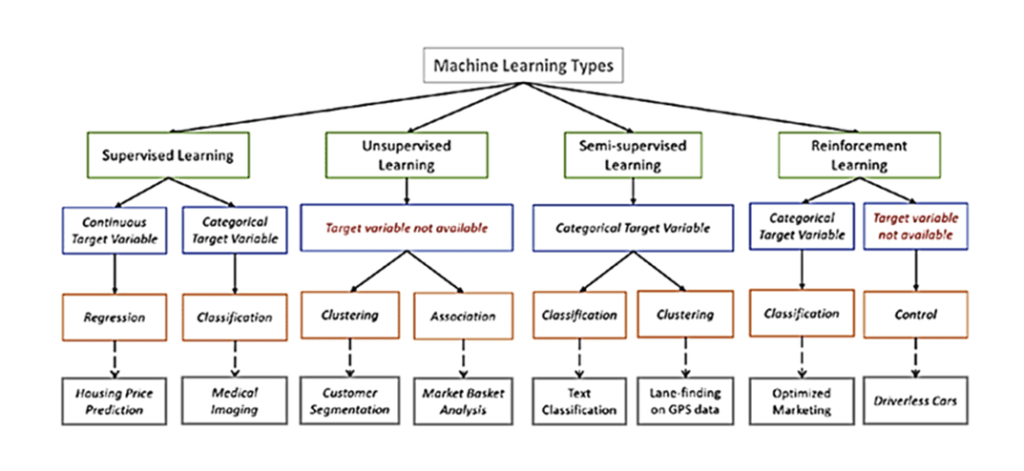
Machine learning, the driving force behind AI, enables machines to learn from experience without explicit programming. Supervised learning involves training machines on labeled data, while unsupervised learning allows them to discover patterns independently. These machine learning paradigms form the foundation of AI’s remarkable abilities.
The Wide Range of AI:
The AI landscape encompasses a spectrum of technologies, ranging from narrow AI systems focused on specific tasks to visionary concepts like artificial general intelligence (AGI) and superintelligence. Narrow AI, such as algorithms used for fraud detection in finance or product recommendations in e-commerce, excels at functions but lacks the flexibility of human intelligence. AGI represents the ambitious goal of creating machines that can understand, learn, and apply knowledge across diverse domains, akin to human cognition. Superintelligence, a more speculative notion, envisions AI surpassing human intelligence in every aspect.
Building AI:
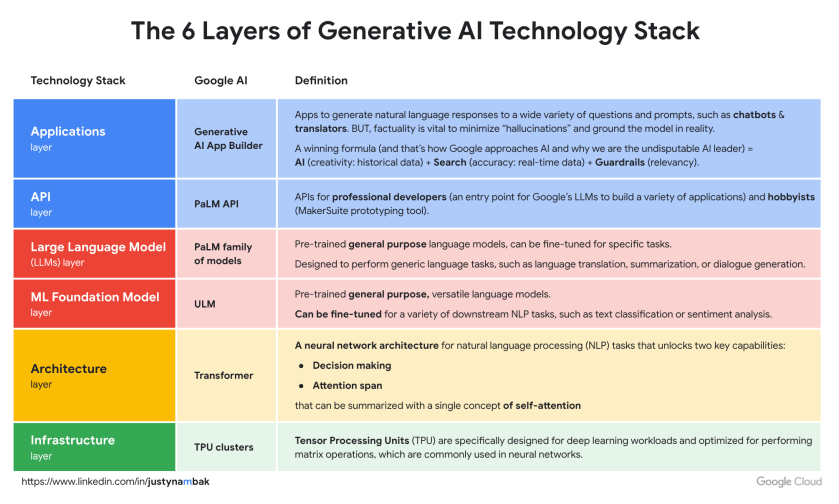
The Technology Stack: Developing and deploying AI systems relies on a sophisticated technology stack.
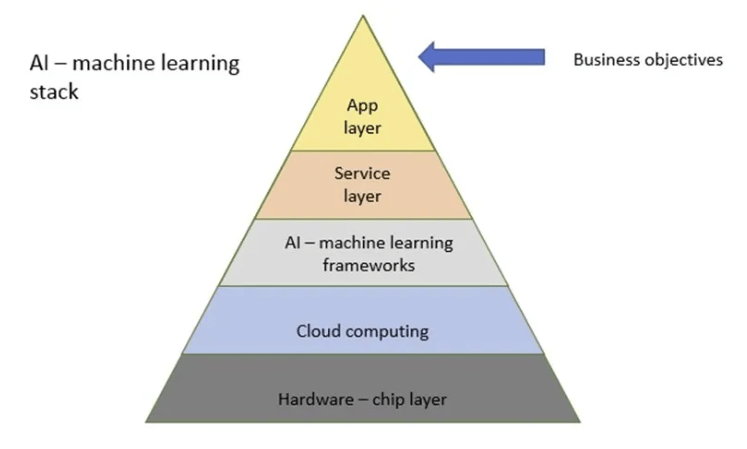
AI platforms, such as IBM WatsonX, Google Cloud Platform and Amazon Web Services, offer the foundational infrastructure for data analysis, model training, and deployment. These platforms serve as the backbone for a wide array of AI applications spanning healthcare, finance, transportation, and beyond. At the heart of these applications lie AI models—mathematical frameworks that enable machines to learn and make decisions. From simple models like linear regression and decision trees to complex architectures like deep neural networks and reinforcement learning, each model plays a distinct role in the AI ecosystem.
Real-World AI Applications:
AI is already making a profound impact across various domains. In healthcare, AI algorithms assist in diagnosing diseases, analyzing medical images, and personalizing treatment plans. Self-driving cars leverage AI to perceive their environment, make real-time decisions, and navigate safely. E-commerce platforms employ AI to provide personalized product recommendations, optimize pricing, and streamline supply chain operations. These are just a few examples of how AI is transforming industries and enhancing our daily lives.

The Story of AI and Data Science:
The history of AI and data science is punctuated by pivotal milestones, such as the Dartmouth Conference, and driven by the vision of pioneering researchers. The field has experienced alternating cycles of enthusiasm and skepticism, with AI winters giving way to AI summers as breakthroughs in machine learning, deep learning, and data availability propelled progress forward. Today, the confluence of big data, cloud computing, and advanced algorithms has ushered in a new era of AI-driven transformation.
Ethical Considerations in AI:
As we explore the uncharted territories of AI and data science, it’s crucial to navigate this landscape with a strong ethical compass. The power of AI comes with significant responsibilities, and we must prioritize ethical considerations to ensure its beneficial and equitable development. Key ethical issues include:
- Bias: AI systems can inherit biases from the data they are trained on, leading to discriminatory outcomes. It’s essential to identify and mitigate biases to ensure fairness and inclusivity.
- Transparency: In high-stakes domains like healthcare and criminal justice, the need for explainable AI is paramount. Transparency allows for accountability and trust in AI decision-making.
- Accountability: As AI systems become more autonomous, questions arise about who bears responsibility when things go wrong. Establishing clear accountability mechanisms is crucial to ensure the safe and responsible deployment of AI.
- Job Displacement: AI has the potential to automate many tasks, raising concerns about job displacement. Proactively addressing this issue through reskilling initiatives and creating new job opportunities is essential.

Conclusion:
As we stand at the threshold of an AI-driven future, the possibilities are both exhilarating and sobering. AI and data science hold immense potential to tackle the most pressing challenges of our time, from revolutionizing healthcare and education to combating cybercrime and driving unimaginable scientific breakthroughs. However, wielding this power responsibly necessitates an unwavering commitment to transparency, accountability, and sound ethical judgement. The journey into the captivating world of AI and data science is one of perpetual learning, collaboration, and innovation. It calls us to approach these technologies with curiosity, critical thinking, and a dedication to harnessing their potential to improve human life today and for generations to come.
How do you see AI shaping not only your industry or field of interest, but also society as a whole?
What ethical considerations should we prioritize as AI continues to advance, and how can we ensure that its benefits are equitably distributed?
These are two of the many questions that will guide us as we navigate this exciting and transformative landscape.