By Jim Venuto, March 23, 2024
Introduction
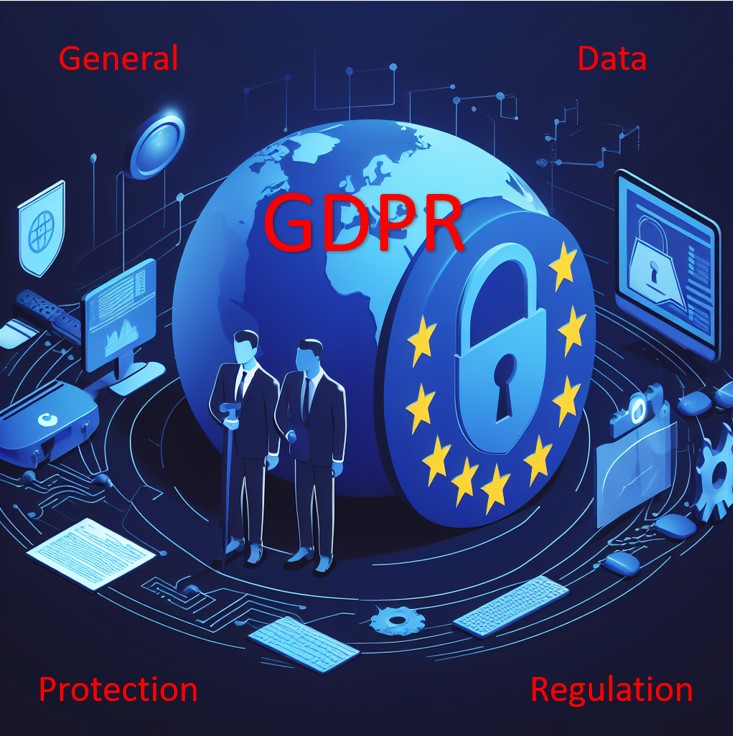
Understanding GDPR’s Intent and Coverage: Enacted on May 25, 2018, the General Data Protection Regulation (GDPR) harmonizes privacy laws across Europe, protecting EU residents’ data regardless of where it’s processed. It seeks to empower individuals with greater control over their personal information while setting rigorous guidelines for entities handling that data.
Who Should Read This: This guide is for anyone leading GDPR compliance efforts in their organizations, including CEOs and legal advisors to compliance managers, IT staff, HR teams, and marketing heads. Data Protection Officers (DPOs) working hard to keep their organizations on track with GDPR will find it particularly useful.
Core Principles and Definitions of GDPR
- Definition of Personal Data: Refers to any data related to an identifiable person, such as names, identification numbers, or online identifiers.
- Processing Activities: Encompasses all operations on personal data, whether digital or physical, including its collection, storage, alteration, and deletion.
- Data Controller vs. Processor: The controller decides why and how to process personal data, while the processor does so on the controller’s behalf.
- Principles of Processing: Data must be handled in a lawful, fair, and transparent manner, ensuring valid reasons for its processing. Entities must communicate their data processing activities.
- Purpose and Data Minimization: Data should only be gathered for explicit and legitimate reasons and kept to the minimum necessary.
- Accuracy and Storage: Ensure data’s accuracy and store it only as long as needed for its intended purpose.
- Security and Accountability: Secure personal data against unauthorized access and demonstrate adherence to these principles.
Rights of Individuals
- Right to be Informed: Ensures people understand how their data is collected, used, and shared, promoting informed personal data decisions.
- Access and Rectification: Individuals can review their data and correct inaccuracies.
- Right to Erasure: Also known as the ‘Right to be Forgotten,’ this right enables individuals to request the deletion of their data under certain conditions.
- Restriction of Processing: Individuals can restrict the use of their data.
- Data Portability: Allows individuals to move their data across different services.
- Right to Object and Automated Decisions: Individuals can oppose certain data uses and decisions made without human intervention.
Responsibilities of Controllers and Processors
- Contracts and DPIAs: Controllers must contractually bind processors to ensure data safety and conduct Data Protection Impact Assessments for high-risk processing.
- Data Protection by Design: Incorporate data protection measures from the processing’s inception.
- Breach Notification: Notify authorities of data breaches promptly and inform affected individuals in certain cases.
Demonstrating Compliance
- Keeping Records: Maintain detailed records of data processing activities.
- Appointing a DPO: Appoint a DPO for extensive monitoring or sensitive data processing activities, ensuring they have the necessary expertise and resources.
- Adopting Codes of Conduct: Encourage adherence to GDPR through codes of conduct and certification.
Enforcement and Consequences
- Monitoring Compliance: Designate authorities to oversee GDPR compliance, addressing grievances from data subjects.
- Fines and Penalties: Non-compliance can lead to significant fines, up to USD 22 million or 4% of global annual revenue, whichever is greater.
Conclusion and Moving Forward
Embarking on GDPR compliance may seem complex, but organizations can navigate these waters more smoothly by breaking down their fundamentals, rights, and obligations. Begin with a thorough data audit, evaluate your compliance level, and address any discrepancies. Implement necessary measures for data protection from the start and establish clear procedures for data rights requests and breach notifications. Continually reassess and refine your GDPR strategies to maintain compliance.
While this guide offers a structured overview of GDPR essentials, it’s not a stand-in for legal advice. Please engage with legal professionals to work through and tailor your compliance efforts to your specific needs.
Reference:
- European Union. http://eur-lex.europa.eu/, 1998-2016.