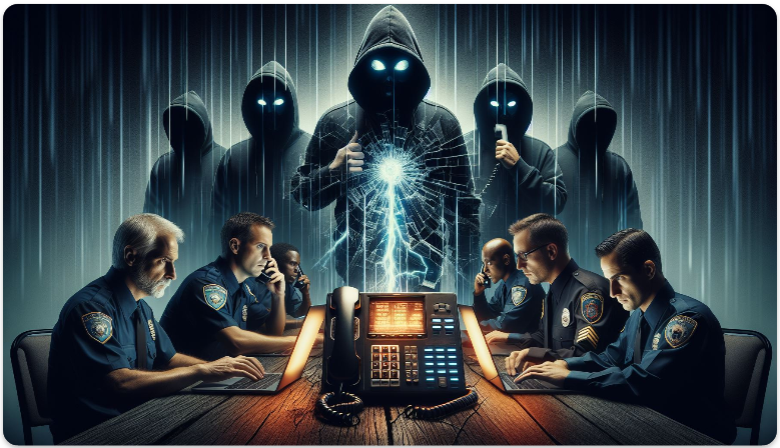
We’ve all heard the reports – hackers are increasingly targeting our 911 systems, ambulance dispatch, and the infrastructure that keeps our communities safe. The Department of Homeland Security is rightly sounding the alarm; this is a big problem. Let’s explain why it’s happening and, more importantly, what we can do about it.
Why Are Emergency Services Targeted?
- Old Tech = Easy Prey: Many 911 centers still use outdated systems like unlocked doors for cybercriminals.
- Tight Budgets: State and local governments often lack funds, so they put cybersecurity on the back burner.
- The Bad Guys Know It’s Valuable: Hackers know they can make money by stealing sensitive data or holding critical systems for ransom.
- It’s All Connected: Our hospitals, police, and fire systems are linked. A breach in one can spread like wildfire.
What Can Make a Difference? A Multi-Pronged Approach
Leadership Level
- Cybersecurity is NOT Optional: Leaders must prioritize cybersecurity as they plan for fires or hurricanes.
- Have a Plan: What happens if you CAN’T access your systems? Develop detailed plans for handling emergency scenarios during a cyberattack.
People Level
- Training is Key: Everyone, not just tech staff, must know how to spot phishing emails, use strong passwords, etc. Just like we have fire drills, we need cyber drills!
- Dedicated Protectors: If possible, have in-house cybersecurity pros keeping watch 24/7. If not, partner with companies who specialize in this.
Processes Level
- Regular Checkups: Think of it like a physical for your computer systems – regular security audits will spot weaknesses before the hackers do.
- Who Gets the Keys? Limit access to sensitive information to only those needing it.
Technology Level
- Update Time: Out with the old, in with the new! Replace the legacy systems.
- Lock it Up: Encrypting data makes it useless to hackers if they steal it.
- Backups & Fail-Safes: How do you quickly restore systems if systems go down? Redundancies (like alternative dispatch help methods) can keep things moving in a crisis.
Teamwork is the Dream Work
- Team Up: Private companies have some serious tech. Public-private partnerships can give emergency services a big boost.
- Share the Info: If an ambulance dispatch in one city gets attacked, every other ambulance service needs to know how it happened and how to protect themselves.
Policies & Funding
- Clear Rules: We need strong government policies about cybersecurity standards for everyone handling sensitive data.
- Put Our Money Where It Matters: More government funding is needed to help emergency services upgrade their defenses.
A Call to Action
Cyberattacks on emergency services aren’t going away. They’re a big concern and ignoring them won’t help. We can help keep our communities safe by taking action now at all levels. The first step? Elected officials and emergency management leaders must start by assessing the security of their community’s emergency systems and highlighting any urgent need for additional resources.
Further Reading
- GovTech Article: The GovTech article discusses the significant threats posed by cyberattacks to homeland security, emphasizing the urgent need for improved cyber resilience. This is highlighted within the context of a report that warns of increasing cyber threats and the necessity for robust cybersecurity measures. You can read more about this analysis on the GovTech website.
- DHS Secure Cyberspace and Critical Infrastructure: The Department of Homeland Security (DHS) outlines its approach to securing cyberspace and critical infrastructure, focusing on protecting government networks and collaborating with private sectors to enhance cybersecurity. For a detailed view of their strategies and goals, visit the DHS official page.
- CISA Emergency Services Sector Cybersecurity Initiative: The Cybersecurity and Infrastructure Security Agency (CISA) leads efforts to bolster the cybersecurity of the Emergency Services Sector by providing resources and tools. This initiative is aimed at enhancing the security and resilience of critical emergency services through collaboration and upgraded cybersecurity practices. More details about this initiative can be found on the CISA website.