Introduction
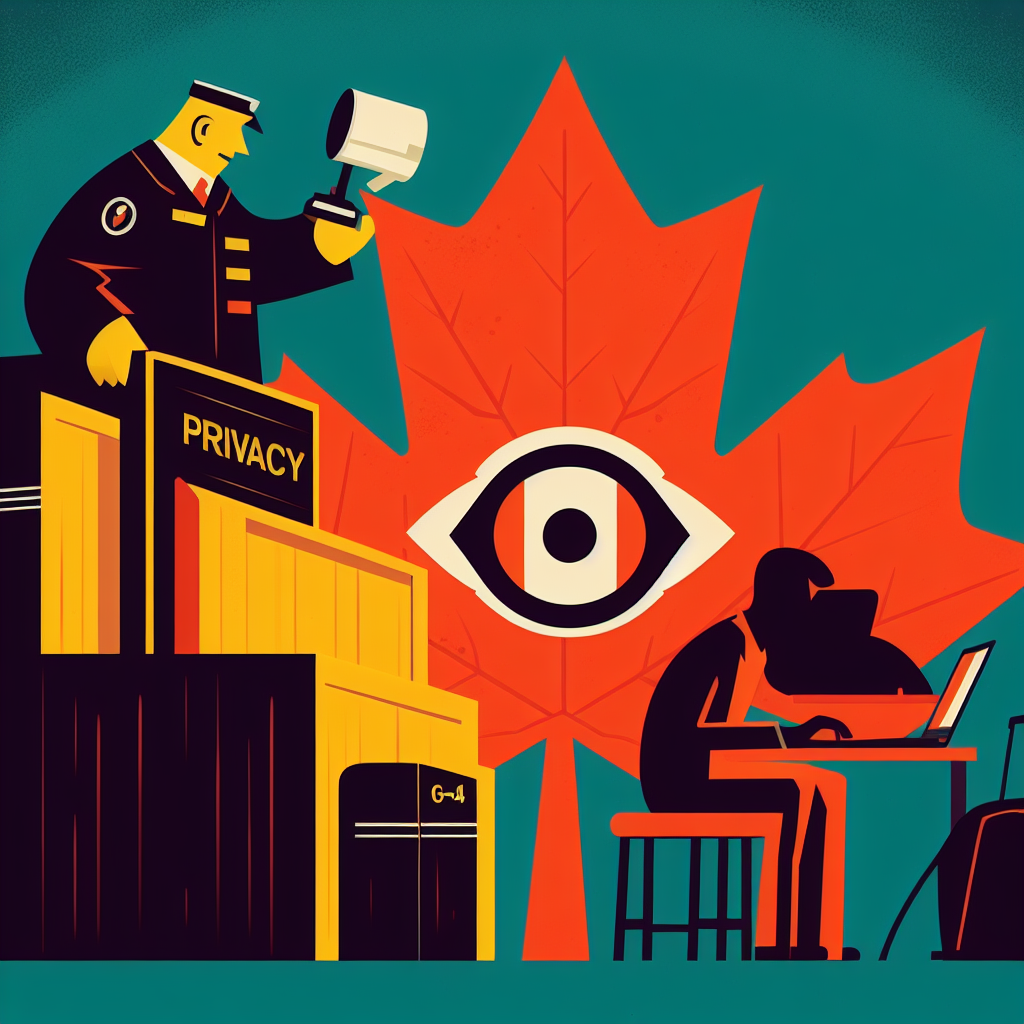
Privacy, a fundamental right enshrined in Canadian consciousness, stands at a crossroads. As technology leaps forward and societal norms evolve, the legal framework protecting this right must adapt to safeguard Canadians’ personal information in an increasingly digital world. This paper delves into the complex landscape of Canadian privacy laws and social dynamics, exploring the different types of privacy, the evolution of its legal protection, and the challenges and opportunities that lie ahead.
Fundamentals of Privacy in Canada
Understanding privacy in Canada necessitates defining its various facets—information privacy centers around the processing and control of personal data by entities like corporations or governments. Personal privacy more broadly encompasses bodily integrity issues and individual liberties. Territorial privacy, a less discussed area, deals with the designation and protection of physical spaces like property or community areas against intrusion. Beyond these core categories, niche offshoots like privacy of communications and locational tracking have gained more legal prominence in recent years.
The structured legal protection of privacy has undergone a dynamic transformation since the predominantly agricultural landscape of 19th-century Canada. Early territorial legislation protected land ownership, while revolutionary court cases like 1928’s Jones v Tsige established foundational tort protections against dignity infringements. Evolved jurisprudence and new threats have morphed privacy into a multifaceted civil right undergirding control over personal information and freedom from technological surveillance. Public concerns surrounding intrusive data practices, evidenced in surveys of Canadian opinions, have further spurred legislative action and social activism around privacy awareness, ensuring the topic remains a vibrant national public conversation around rights.
Perspectives on Privacy from a Canadian Perspective
For Canadians, the right to privacy is significant in the national psyche. Surveys consistently reveal a high level of concern regarding government and corporate respect for individual privacy. Canadians increasingly value control over their personal information, prompting a growing awareness of data privacy principles and best practices.
However, perspectives and awareness levels vary across demographic lines. Marginalized communities, like Indigenous populations and those with disabilities, may face disproportionate risks and disadvantages related to privacy. Culturally competent policy-making and ongoing public education are crucial to ensure equal privacy protection for all Canadians.
A Global Comparison: Data Protection Models Around the World
Canada’s approach to privacy stands within a global context of diverse data protection models. The United States favors a sector-based approach, with varying privacy rules targeted to industries like healthcare and finance. Meanwhile, the European Union instituted comprehensive legislation like the General Data Protection Regulation (GDPR), which broadly regulates data protection and privacy across member states. Self-regulation and technology-based models, such as privacy certifications and built-in data protections, find application in other regions like East Asia.
However, areas including Southeast Asia grapple with underdeveloped legal frameworks and limited enforcement capabilities. For example, Thailand lacks an overarching data protection law; instead, it relies on the individual efforts of various agencies. As international data transfer becomes increasingly commonplace with globalization, adopting consistent global data protection standards remains gradual. Initiatives like the APEC Cross Border Privacy Rules system have emerged, but a unified worldwide framework is still unfolding.
The Legal System at the Canadian Level
Canada’s privacy legal system comprises a complex mosaic of federal, provincial, and territorial statutes. Each province possesses privacy legislation, with Quebec’s Civil Code and Charter of Human Rights and Freedoms explicitly recognizing a general right to privacy. While this decentralized regional approach allows flexibility to adapt to local needs, efforts are underway to harmonize regulations and ease compliance burdens for businesses operating across different jurisdictions under varying rules.
Recent 2022 amendments to the Personal Information Protection and Electronic Documents Act (PIPEDA), Canada’s federal private sector privacy law, demonstrate a trend towards alignment with international standards. Changes like expanded extraterritorial reach, which applies PIPEDA to entities outside Canada handling Canadians’ data, mirror provisions within the European Union’s General Data Protection Regulation (GDPR). Additionally, enhancements to individual data rights and steeper potential fines for violations further synced PIPEDA with global norms. Alongside federal updates, privacy enforcement powers and penalties at provincial levels are also becoming increasingly robust.
Major Ideas Regarding the Privacy of Canadians
Canadian privacy law has several fundamental principles that are mandatory for organizations handling individuals’ personal information. These include obtaining meaningful consent with clear disclosures, limiting data use to necessary purposes, enabling individual access rights to request or correct information, and maintaining stringent security safeguards.
Additional protections apply for handling sensitive data like biometrics such as fingerprints or genetics and confidential information on health, finances, or children. For example, contraventions like the 2022 LifeLabs data breach demonstrate the need for rigorous controls around sensitive personal data.
Emerging best practices also emphasize Privacy by Design, proactively integrating necessary privacy measures into technologies, processes, and data infrastructure. With public interest in preventative data stewardship, early commitment to embedding privacy protections is key.
Legislation and Procedures in the Private Sector of Canada
Private sector organizations in Canada must navigate a complex landscape of privacy laws and regulations. The Personal Information Protection and Electronic Documents Act (PIPEDA) is the key federal statute governing personal data. Provincial regulations like Alberta’s Personal Information Protection Act (PIPA) and Quebec’s private sector privacy law add further complexity with region-specific requirements stacking the national framework.
Recent years have witnessed efforts to harmonize these layered regulations to ease compliance burdens for businesses operating across multiple jurisdictions. For example, 2021 updates aligned data breach reporting timelines across PIPEDA, B.C.’s PIPA, and Alberta’s PIPA. Moreover, domestic laws increasingly emphasize conforming to evolving international norms regarding cross-border data flows, individual access rights, and cybersecurity safeguards – though some advocates caution more stringent consent rules are still needed. Finally, authorities have significantly strengthened PIPEDA enforcement powers and financial penalties, underscoring the heightened seriousness of privacy breaches in the commercial context.
Privacy Concerns That Practitioners Ought to Consider
Practitioners must remain vigilant regarding key privacy concerns, particularly obtaining meaningful consent for collecting and using sensitive personal information, significantly when exceeding reasonable expectations. Alternatives like data aggregation (combining data across users) or de-identification (removing attributed identifiers) can minimize privacy impacts where possible. Implementing additional safeguards and exercising caution with geolocation data types are crucial when handling information like health records or financial details.
Embracing privacy-first approaches like Privacy by Design methodologies and conducting impact assessments on new technologies are recommended best practices. Beyond legal obligations, proactively addressing areas of concern and risk can build consumer trust through transparency. Overall, anticipating and mitigating consent, sensitivity, minimization, localization, and emerging technology issues will strengthen privacy postures.
Incidents Related to Privacy, Trends Regarding Compliance, and Emerging Concerns
Organizations across sectors are responsible for ensuring compliance with evolving privacy laws and safeguarding personal information. Adapting to upcoming legislation like the Consumer Privacy Protection Act (CPPA), overseen by the Office of the Privacy Commissioner, necessitates significant investments in comprehensive cybersecurity measures, employee training, and breach response planning. Recent major privacy incidents like the 2021 ransomware attack on Renaissance Alliance demonstrate systemic threats persisting across industries.
Meanwhile, increasing automation of decision-making through customer data analytics and artificial intelligence raises pressing new privacy concerns that authorities have only begun to study and address. Potential issues like opaque AI systems perpetuating historical biases based on race, gender, or other attributes may require enhanced transparency requirements or impact assessments before deployment. As technologies and regulations continue advancing, sustained scrutiny and protection around emerging risks will grow in importance for organizations.
Important Recent Developments in Canadian Legal Cases
Canadian privacy authorities at both provincial and federal levels have been actively updating regulations to address emerging data types and align with global norms like the EU’s General Data Protection Regulation (GDPR). For example, Quebec recently amended laws governing employee monitoring, and British Columbia introduced new data protections for user-generated content on social media platforms. Such revisions continue expanding individual privacy rights while harmonizing standards across jurisdictions.
In 2023 and beyond, multiple provinces will actively consider further updates to private-sector privacy legislation. Key issues on the agenda include extending corporate accountability through expanded extraterritorial reach, increased international data transfer oversight, enhanced individual access mechanisms, and stricter enforcement powers with heftier fines. With pressure mounting for more uniform nationwide standards, practitioners must closely monitor proposals and changes to maintain compliance and prepare for tighter adequacy evaluations.
Guidance and Positions the Commissioner Has Published
The Office of the Privacy Commissioner (OPC) is an invaluable guidance resource for organizations in areas like obtaining meaningful consent, managing incidents, and conducting impact assessments for new technologies like AI systems. Beyond regulator-issued advisories, practitioners benefit from actively engaging in the OPC’s open consultative processes around developing legislation and oversight frameworks.
Direct involvement allows constructive dialogue around emerging compliance challenges and suggestions for practically implementing regulations in complex business environments. For example, during 2022 consultations, stakeholder feedback highlighted concerns around potential restrictions on transparent AI use cases and disproportionate limits proposed for data de-identification under recent modernization bills. Paying close attention to ongoing consultation topics provides opportunities to shape equitable rules safeguarding individuals while enabling beneficial innovation.
Cooperation and Model Codes of Conduct
Model codes and frameworks like the ten fair information principles outlined in PIPEDA offer helpful guidelines for organizations seeking to protect personal data and engage with regulatory oversight bodies. Industry groups are key in disseminating tailored resources like compliance checklists, model privacy notices, and consent templates that individual member companies can adapt to their business needs and data practices.
Collaborative initiatives between regulators and industry coalitions also hold promise for jointly developing acceptable, risk-based standards and certification programs around data stewardship. Bill C-27 summary: Digital Charter Implementation Act, 2022, demonstrated that such partnerships bear fruit. With practitioners offering valuable insights on practical implementation complexities, further cooperation presents opportunities to enhance privacy posture.
Legislation and Procedures in the Public Sector of Canada
The Privacy Act serves as the cornerstone federal legislation governing personal information handling practices within government institutions. First introduced in 1983, it confers fundamental rights allowing individuals to access and correct records that national bodies collect about them. While the Act has seen limited reforms since inception compared to private sector laws, widespread recognition of gaps spurred the 2022 launch of public consultations to modernize the statute.
Proposed updates currently under review intend to expand citizen data rights, improve transparency measures like standardized de-identification protocols, enact additional citizen notification requirements, and place more checks on automated decision systems fueled by personal information. As digital transformation accelerates across public services, the passage of a modernized Act represents a crucial opportunity to realign outdated federal privacy rules with 21st-century technical realities and public expectations.
Conclusion: Privacy Under the Maple Leaf
Privacy, an intrinsic right woven into the fabric of Canadian identity, faces a pivotal moment in its evolution. Technological transformations involving artificial intelligence, facial recognition, and data analytics collide with societal shifts and global forces, demanding ongoing adaptation and robust protection of individuals’ personal information. This paper explored the intricate landscape of Canadian privacy laws, regulations, social dynamics, and future policy horizons against this complex backdrop, assessing risks and opportunities.
Federal and provincial authorities have actively developed the legal framework encompassing privacy statutes significantly in recent years, reflecting emerging public concerns and increasingly aligning it with international data protection norms. Yet ongoing challenges persist around comprehensive multi-jurisdictional compliance and safeguarding individuals from intrusive technologies without stifling innovation. Promising privacy-enhancing tools like differential privacy and federated learning offer technological counters but require careful deployment. Fostering cultures of responsibility through transparency reports, external audits, and public consultations around responsible development grows in importance.
Social attitudes paint a multifaceted picture of high public awareness and anxiety around data stewardship, with diverse communities voicing unique perspectives that stand to shape discourse. Canadians have a dual role as citizens and consumers in advancing our rights through civic participation and conscientious personal data management. Policymakers must heed these voices.
Ultimately, Canada is at a pivotal moment, ideally positioned to take the lead in global privacy initiatives, provided it navigates the balance between risks and opportunities with care. By championing privacy as a dynamic and fundamental right, evolving its legal frameworks, and recognizing the dual role of Canadians as stakeholders, the country can cultivate an environment where innovation and individual rights coexist and flourish in harmony.
References
Consumer Privacy Protection Act, 2022. iapp. https://iapp.org/news/a/federal-privacy-reform-in-canada-the-consumer-privacy-protection-act/
Cavelo. Canadian data privacy laws: a practical guide. https://www.cavelo.com/blog/canadian-data-privacy-laws-guide
Data Guidance & DLA Piper. Canadian data protection laws: overview. https://www.dlapiperdataprotection.com/index.html?t=law&c=CA
Government of Canada. Innovation, Science and Economic Development Canada. https://www.ic.gc.ca/eic/site/137.nsf/eng/h_00005.html
Government of Canada. Office of the Privacy Commissioner of Canada. https://www.priv.gc.ca/en/opc-actions-and-decisions/advice-to-parliament/2020/parl_202011/
Government of Canada. Personal Information Protection and Electronic Documents Act. https://www.priv.gc.ca/en/privacy-topics/privacy-laws-in-canada/the-personal-information-protection-and-electronic-documents-act-pipeda/pipeda_brief/
Government of Canada. Privacy Act. Laws-Lois Justice. https://laws-lois.justice.gc.ca/eng/acts/P-21/index.html
Gowling WLG. Guide to doing business in Canada: privacy law. 2023. https://gowlingwlg.com/en/insights-resources/guides/2023/doing-business-in-canada-privacy-law/
IAPP. 2023 Canada private sector privacy law reform. 2023. https://iapp.org/news/a/2023-canada-private-sector-privacy-law-reform-keeping-track-of-moving-parts/
Justice Laws Website. https://www.justice.gc.ca/eng/csj-sjc/pl/index.html
Parliament of Canada. Standing Committee on Access to Information, Privacy and Ethics. https://www.ourcommons.ca/Committees/en/ETHI
Piniewski, B. and Codagnone, C., 2017. Factors influencing global diffusion of eHealth: A macro-level analysis. PloS one, 12(9). https://www.ncbi.nlm.nih.gov/pmc/articles/PMC5479924/
Piwik Pro. A guide to PIPEDA compliance in web analytics. https://piwik.pro/blog/pipeda-analytics/
Privacy Laws in Canada. Library of Parliament. https://lop.parl.ca/sites/PublicWebsite/default/en_CA/ResearchPublications/201825E
Sourcepoint. What are the privacy laws in Canada? https://www.sourcepoint.com/blog/what-are-the-privacy-laws-in-canada
Usercentrics. Canada consumer privacy protection act. https://www.usercentrics.com/blog/canada-consumer-privacy-protection-act/
Wikipedia. Canadian privacy law. https://en.wikipedia.org/wiki/Canadian\\_privacy\\_law