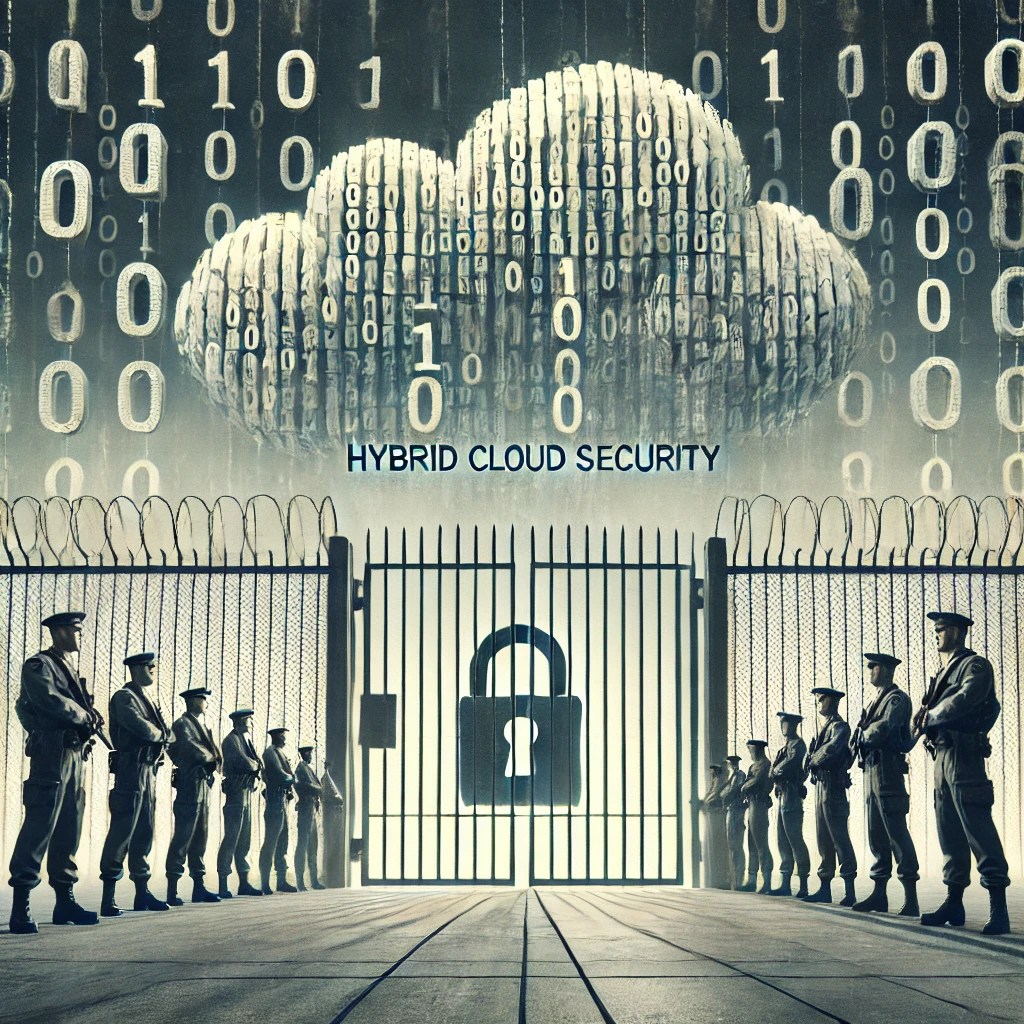
Introduction
Managing and securing data is a key focus for organizations that operate in hybrid cloud environments, combining cloud and on-premises systems. Developing resilient data protection strategies across these environments is also essential. This blog explores key aspects of data governance, the importance of data classification, the role of new technologies, and the specific challenges associated with hybrid cloud migration.
Understanding Data Governance
Data governance is the backbone of data protection, whether data resides on-premises or in the cloud. It tackles issues like the exposure of sensitive information, security gaps, and unauthorized access. Effective governance in hybrid environments requires considering data lineage and quality during the protection planning, ensuring that data remains secure and consistent across cloud and on-premises systems.
Data Classification and Protection
In a hybrid environment, data leaders must classify data based on its business use and sensitivity to ensure effective protection, regardless of where it is stored. This classification helps determine the appropriate level of security, whether the data is in a cloud storage service or an on-premises database.
Key steps include:
- Implementing tests to spot errors or malicious use of data, applicable in both cloud and on-premises environments.
- Utilizing advanced analytics and monitoring tools to detect anomalies, such as unexpected changes in data patterns or unauthorized access. These tools help track changes and identify potential security breaches across the hybrid infrastructure.
Leveraging Technology in Hybrid Environments
Organizations benefit from using advanced tools and technologies that work seamlessly across cloud and on-premises environments to support their data protection efforts. Key tools include:
- VPC Service Controls: These security features enable cloud security architects to define and enforce security perimeters around resources and services within a Virtual Private Cloud (VPC). They actively prevent data from being accessed or exfiltrated outside the defined security boundaries, even if incorrect Identity and Access Management (IAM) permissions would otherwise allow unauthorized access.
- Cloud IAM Systems: Maintain data integrity by providing unified access management. They ensure only approved users and systems can access sensitive data, whether stored on-premises or in the cloud, enhancing overall security.
- Secure VM Enclaves: Offer advanced security by enabling isolated execution environments within existing virtual machines in the cloud and on-premises. They ensure sensitive operations and data remain protected during hybrid cloud migration, reducing the risk of security breaches. To minimize dangers during migration, architects should focus on creating secure perimeters, adopting a zero-trust approach, and leveraging hybrid-native security tools.
Securing Hybrid Cloud Migration
Transitioning from on-premises to hybrid cloud environments requires careful attention to data protection strategies, as these mixed infrastructures introduce unique challenges. Key considerations include:
- Integrating identity and Access Management (IAM) systems to manage access and enforce the principle of least privilege can help maintain consistent security policies across on-premises and cloud environments.
- Strong encryption is applied to data in transit and at rest to secure sensitive information during migration, classify data, and enforce compliance requirements across both environments.
- Utilize centralized monitoring tools to gain visibility across your hybrid infrastructure, helping detect and respond to threats in real-time and ensuring that cloud and on-premises systems are protected.
Physical and Network Security in Hybrid Environments
Physical security remains critical, especially in data centers that support hybrid infrastructures. Implement multiple layers of security, such as access controls and surveillance systems, that protect both on-premises and cloud-based assets. For network security, it’s important to:
- Secure data as it moves between on-premises systems and the cloud, ensuring endpoint protection in both environments.
- Use firewalls, access control lists, and other tools to prevent attacks that could impact either part of the hybrid infrastructure.
- Choose cloud providers that minimize data exposure on public networks while ensuring secure connectivity with on-premises systems.
Practical Steps and Best Practices for Hybrid Security
Building a strong data governance framework in a hybrid environment involves assessing risks, developing policies, and continuously monitoring cloud and on-premises systems. Some best practices include:
- Limit the amount of data that can be transferred between environments, audit communications, and control access to sensitive information, whether it’s in the cloud or on-premises.
- Define clear roles and permissions that apply across the hybrid infrastructure and use tools like Identity-Aware Proxy (IAP) to manage access centrally.
- Regularly train staff on hybrid-specific security challenges and update incident response plans to ensure readiness for security issues in both environments.
Looking Ahead
The future of data protection in hybrid environments will increasingly involve advanced technologies automated with AI to detect threats and provide better methods for anonymizing data. As technology progresses, organizations prioritizing data governance and security across cloud and on-premises systems will earn client trust and securely meet their business objectives.