Mastering the Breach: A Data-Driven Blueprint for Rapid Recovery and Resilient Security
A step-by-step breach plan: contain the incident, investigate, fix what matters most, communicate, and measure the response, with figures from IBM's 2023 breach report.

A staff member reports a strange login alert on a Friday evening. By Monday the attacker has copied a customer database. Whether that weekend costs thousands or millions depends on what the company decided to do before the alert ever arrived.
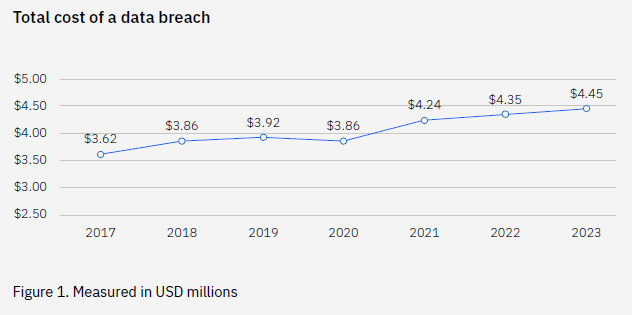
IBM’s 2023 Cost of a Data Breach Report put the global average cost of a breach at USD 4.45 million, the highest in the report’s history. A focused, tested action plan limits the damage and shortens recovery. This article sets out such a plan, step by step.
I. Immediate Actions for Security and Data Breaches
When a breach occurs, the first response should focus on containing the incident and preventing further damage. Recommended immediate actions include:
- Isolating Affected Systems:
- Isolate systems where the breach occurred to prevent further loss or compromise. Allocate dedicated IT resources for this task.
- Activating Data Loss Prevention and Intrusion Prevention Systems:
- Use data loss prevention (DLP) and intrusion prevention (IPS) tools to block further data leaving the network. These only help if they were deployed, updated and tested before the incident.
- Assessing the Scope and Potential Impact:
- Understand the scope and potential impact of the breach, whether it’s data or security related. Use threat intelligence services for real-time analysis.
- Consulting Legal Counsel:
- Evaluate compliance with relevant laws such as GDPR, HIPAA, or CCPA based on the type of breach. Prepare for potential legal actions and fines.
- Developing a Communication Strategy:
- Inform stakeholders, assessing the situation and legal obligations for breach notifications. Use a pre-defined communication template for efficiency.
II. Tools and Technologies for Security and Data Breach Protection
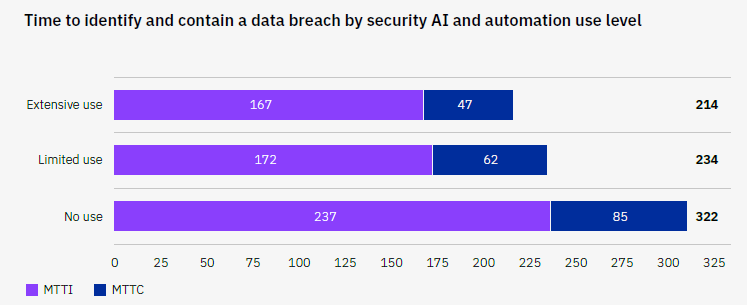
These tools prevent breaches and speed the response when one happens. In IBM’s 2023 report, organizations that used security AI and automation extensively identified and contained breaches 108 days faster and paid nearly USD 1.8 million less than those that did not. Recommended technologies include:
- Data Encryption and Masking Solutions:
- Use AES-256 encryption to render stolen data unusable.
- Security Information and Event Management (SIEM) Systems:
- Collect and correlate logs centrally so the team can see an attack as it unfolds.
- Identity and Access Management Controls:
- Use multi-factor authentication (MFA) to protect against unauthorized access.
- Firewalls, Intrusion Detection, and Prevention Systems:
- Use next-generation firewalls and intrusion detection and prevention at the network edge.
- Antivirus and Anti-malware Software:
- Use endpoint protection, ideally with detection and response (EDR), on every laptop and server.
- Backup and Recovery Systems:
- Keep backups offline or immutable, and test restores, so ransomware cannot reach them.
- Monitoring Systems:
- Monitor access to sensitive data to spot misuse by insiders or stolen accounts.
III. Ongoing Security and Data Protection Measures
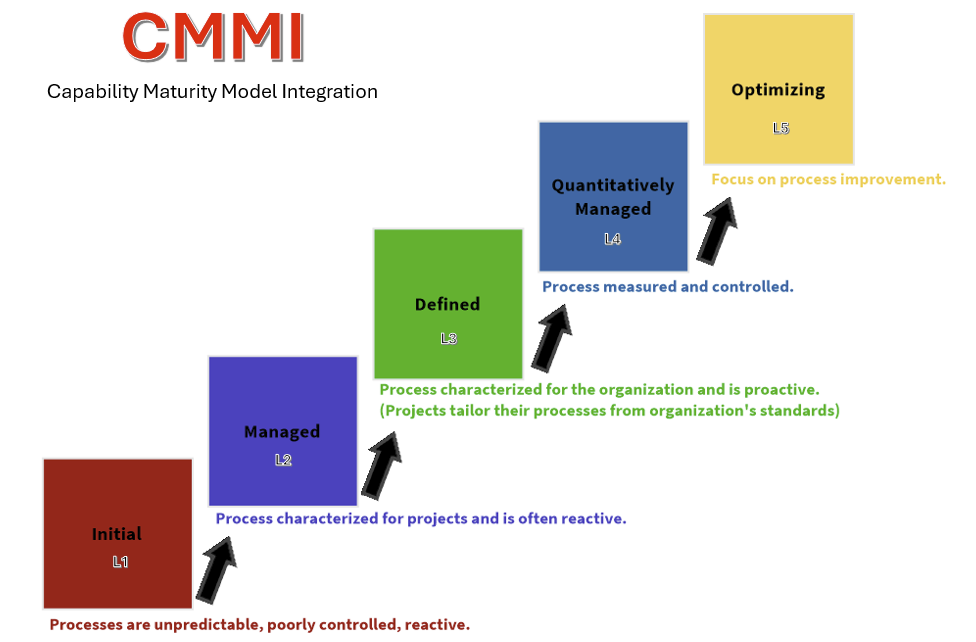
An incident response plan is not enough on its own. In IBM’s 2023 report, only one in three breaches was found by the organization’s own security team; the rest were reported by a third party or by the attackers themselves.
Recommended practices include:
- Regular Risk Assessments and Penetration Testing:
- Conduct quarterly assessments and penetration tests to identify vulnerabilities proactively.
- Audits and Reviews of Data Practices:
- Perform bi-annual audits to uncover high-risk areas and ensure compliance.
- Security Awareness Training:
- Educate employees quarterly on best practices and emerging threats.
- Vendor Risk Management Programs:
- Assess and monitor third-party security risks through a dedicated vendor management platform.
- Data Recovery Strategies:
- Keep tested backups and a documented restore order for critical systems. RAID protects against a failed disk, not against deletion or ransomware.
- Testing the Incident Response Plan:
- Conduct bi-annual drills and simulations using red team-blue team exercises to evaluate its effectiveness.
IV. Post-Mortem Analysis and Lessons Learned
A detailed post-mortem analysis of the factors that led to a breach is crucial for improving security measures. Key aspects of this process include:
- Assembling a Cross-Functional Response Team:
- Include IT, security, legal, and management. Assign an executive sponsor for oversight.
- Comprehensively Gathering Information:
- Collect data logs, user activities, and network traffic for a thorough analysis.
- Identifying Vulnerabilities and Holes in Defenses:
- Use packet captures and vulnerability scans to confirm how the attacker got in.
- Evaluating the Organization’s Response:
- Measure the time taken to detect and contain the breach as KPIs.
- Deriving Lessons and Developing an Action Plan:
- Write down what failed, why, and who will fix it by when.
V. Prioritizing and Implementing Action Items
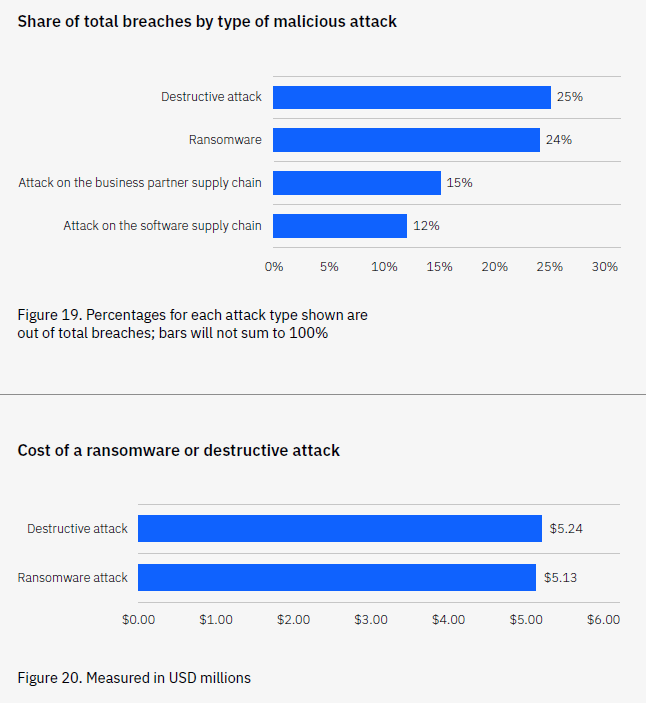
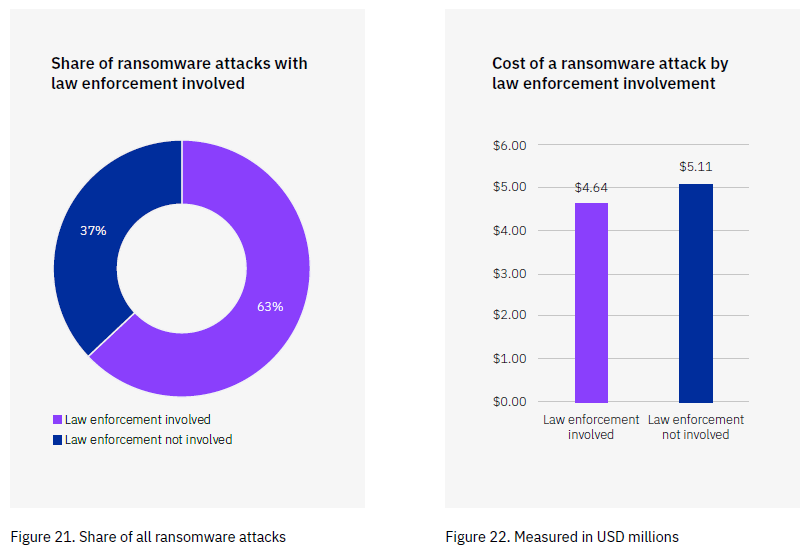
The remediation plan following a breach should focus on fixes that provide maximum risk reduction. In IBM’s 2023 report, ransomware victims that did not involve law enforcement paid USD 470,000 more on average and took 33 days longer to contain the breach. To achieve this, companies should:
- Prioritize Action Items:
- Use a risk matrix to prioritize based on severity, potential impact, feasibility, compliance impact, and urgency.
- Involve Stakeholders Early:
- Engage departments like HR, finance, and operations for a holistic approach.
- Engage Employees in Implementation:
- Explain why each change matters so people adopt it rather than work around it.
- Maintain Accountability:
- Track every action item in one place, with an owner and a due date.
VI. Communication, Reporting, and Stakeholder Management
Ongoing communication and transparency are vital during the breach response and post-breach phases. Best practices include:
- Regular Status Updates and Progress Reports:
- Use dashboards for real-time tracking.
- Upper Management Involvement:
- Obtain buy-in for resources, oversight, and expedited decision-making.
- Promote Cross-Functional Collaboration:
- Keep one channel for the response team, and a backup channel in case the main one is compromised.
VII. Incentives, Recognition, and Continuous Improvement
To sustain momentum on security enhancement post-breach, companies should:
- Provide Incentives for Employees:
- Offer training programs or certifications for those who contribute to security improvements.
- Establish Recognition Programs:
- Use monthly or quarterly awards to highlight contributions.
- Define Metrics and KPIs:
- Use metrics like ‘Time to Detect’ and ‘Time to Respond’ as KPIs.
- Continuous Improvement:
- Update the action plan based on lessons learned, new risks identified during assessments, and evolving cyber threats.
Glossary
- GDPR: General Data Protection Regulation
- HIPAA: Health Insurance Portability and Accountability Act
- CCPA: California Consumer Privacy Act
- AES-256: Advanced Encryption Standard (256-bit)
- SIEM: Security Information and Event Management
- MFA: Multi-Factor Authentication
- RAID: Redundant Array of Independent Disks
- SWOT: Strengths, Weaknesses, Opportunities, Threats
- KPI: Key Performance Indicator
Summary
A breach plan works only if it is written, assigned and rehearsed before it is needed. Contain first, investigate thoroughly, fix what reduces the most risk, keep people informed, and measure how long detection and containment took so the next response is faster.
References
- IBM Security, Cost of a Data Breach Report 2023, July 2023. https://www.ibm.com/reports/data-breach
- Paul Cichonski, Tom Millar, Tim Grance and Karen Scarfone, Computer Security Incident Handling Guide, NIST SP 800-61 Rev. 2, August 2012. https://csrc.nist.gov/pubs/sp/800/61/r2/final